The esports landscape in 2026 looks less like a niche hobby and more like a global carnival where the rides are made of RGB lighting and the cotton candy costs a monthly subscription. The old guard of fighting games and classic MOBAs still has a seat at the table, but the table itself has grown legs and wandered into mobile app stores, battle royale islands, and tactical shooters with the confidence of a raccoon in a tuxedo. The metrics that matter remain delightfully simple: how many tournaments get held, how big the prize pool is, and how many eyeballs glue themselves to the stream. By that measure, a handful of titles are still doing the digital equivalent of sprinting a marathon while eating a sandwich.
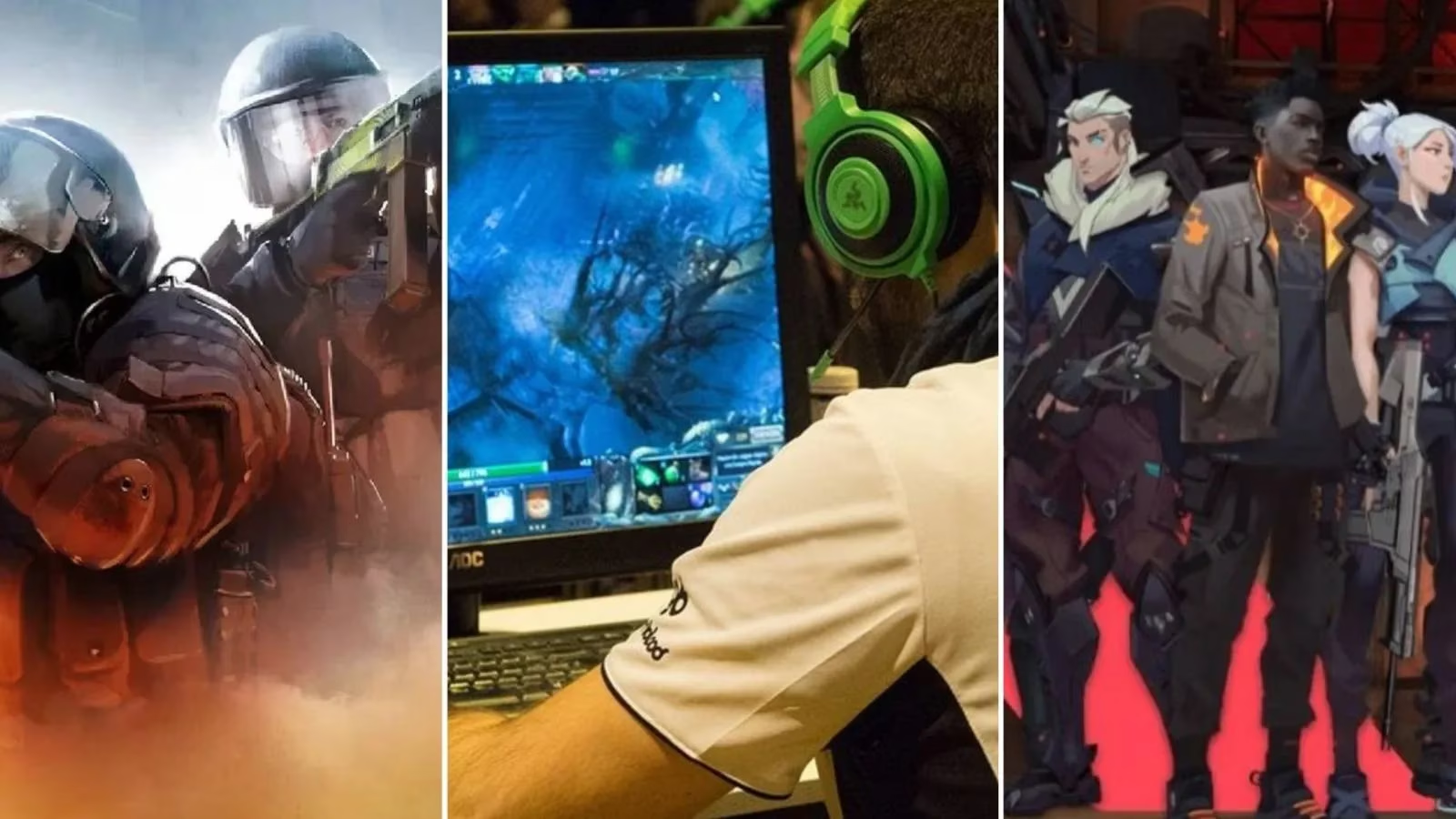
Fortnite: The Cartoony King That Never Grew Up
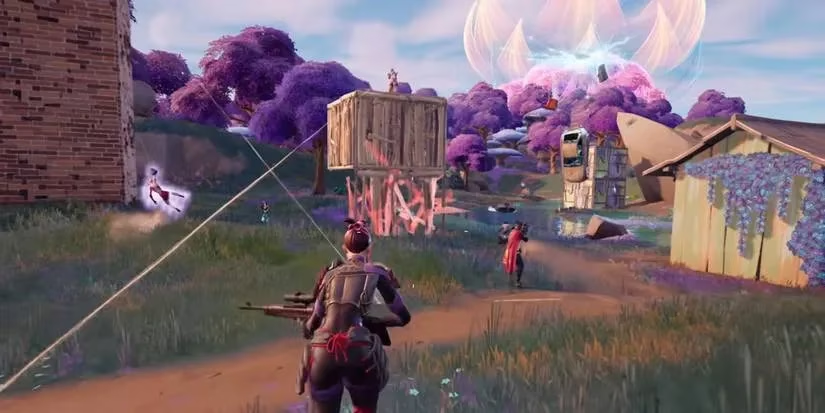
Fortnite can do everything Call of Duty and PUBG bring to the table, but with a little more confetti and a lot more dancing. Its building mechanic flipped the battle royale script like a golden retriever that learned to play chess. In 2026, the game remains a cultural event, hosting digital concerts, brand crossovers, and FNCS tournaments that make children and adults alike forget their bedtimes. The prize pools are healthy, the viewership is loyal, and the game’s 2017 release date is now less a sign of age and more a badge of honor.
Call of Duty: The Franchise That Multiplies Like Rabbits
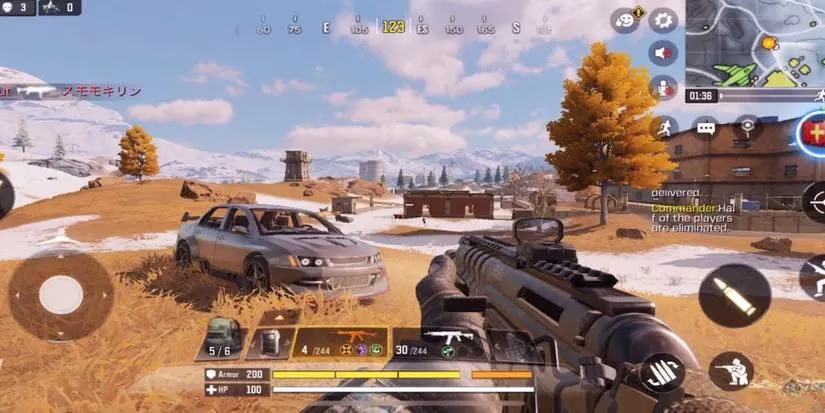
With a tournament calendar that seems to reproduce like rabbits in springtime, Call of Duty keeps its esports realm fresh across Call of Duty Mobile, Warzone, and the mainline CDL. The events pull in global viewership, and players compete year-round in a shooter that is simple to pick up but polished enough to feel like a fast-food chain that somehow earns Michelin stars. The prize pools are decent, the fanbase is enormous, and the franchise’s ability to stay relevant is almost suspicious.
Arena of Valor: The Mobile MOBA That Got There First
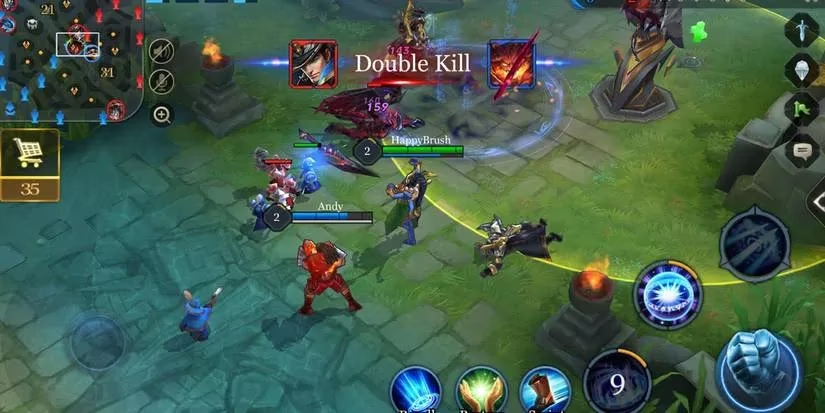
Designed specifically for mobile devices, Arena of Valor set itself up for immediate critical success by modeling its gameplay after League of Legends and capitalizing on the lack of mobile MOBAs. Its competitive ladder, multiple game modes, and regular events kept players engaged. In 2026, the mobile MOBA market is crowded, but Arena of Valor still has the energy of a lemonade stand that became a beverage empire. It proved that a phone can be a legitimate esports arena, not just a place to lose at solitaire.
Dota 2: The Beautifully Brutal Behemoth
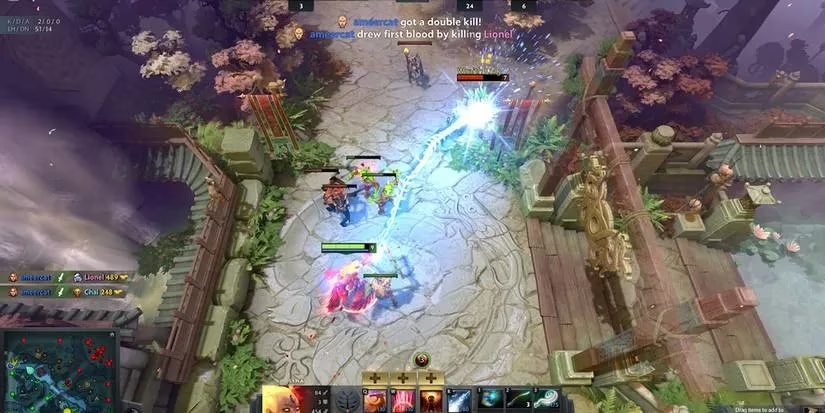
The International remains one of the most anticipated events of the year, guaranteeing the winning team a multimillion-dollar cash prize and a ticket to global fame. Dota 2 is still one of the toughest MOBAs out there, with complex strategic gameplay, a sprawling roster of characters, and an item system that feels like a particle accelerator for adrenaline and regret. The best players get plenty of attention because mastering Dota 2 is roughly as easy as teaching a cat to file taxes. In 2026, The International still makes viewership charts look like a mountain range.
Apex Legends: The Battle Royale That Learned to Slide
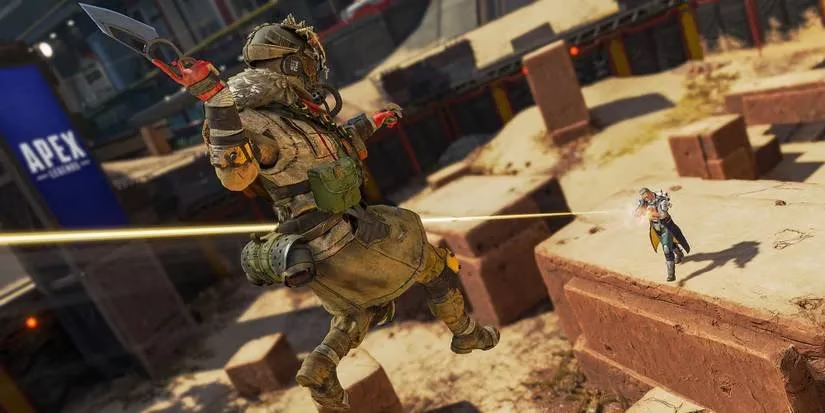
Building on what Call of Duty and PUBG set up, Apex Legends delivered a battle royale that looked aesthetic and felt familiar but better, with cross-platform play and pre-made Legends that come with their own stats and abilities. Its dedicated fanbase is surprisingly fierce for a relatively new game. In 2026, the ALGS circuit still runs frequently, and the game remains a Swiss Army knife that also makes espresso. Players choose their Legends, cooperate, and occasionally panic when the ring closes in like an angry landlord.
Rocket League: Soccer, But the Players Are Cars and the Laws of Physics Are Suggestions
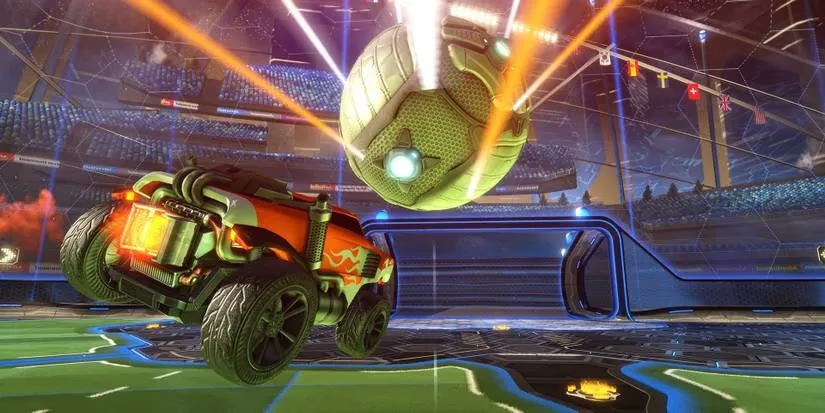
Football is one of the most popular sports on the globe, but replace the players with acrobatic cars and Rocket League becomes an irresistible combo. The pro championships retain a large fan following, the prize pools are fairly decent, and there is something deeply aesthetic about watching a rocket-powered car score a goal in a way that defies both gravity and common sense. It is like a pinball machine that fell in love with a sports car. In 2026, Rocket League still occupies a unique corner of the cultural zeitgeist.
PUBG: The Granddaddy That Moved to Mobile and Thrived
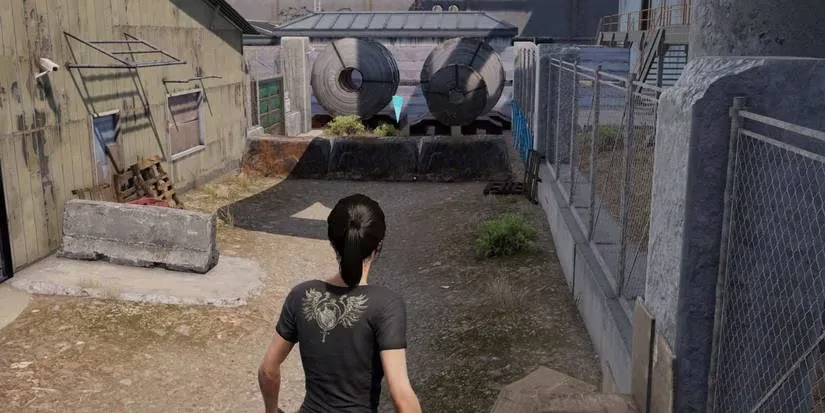
PUBG revolutionized the industry and introduced countless players to challenging battle royale matches. Its mobile port far outshines the PC version when it comes to the number of committed players, making it one of the biggest esports tournament hosts on the planet. The mobile scene is massive, the social media presence is loud, and the prize pool is substantial enough to keep players thriving. PUBG is like a dinosaur that discovered smartphones and became an influencer. In 2026, its mobile ecosystem still refuses to go extinct.
Valorant: What If League of Legends Went to Tactical FPS School?
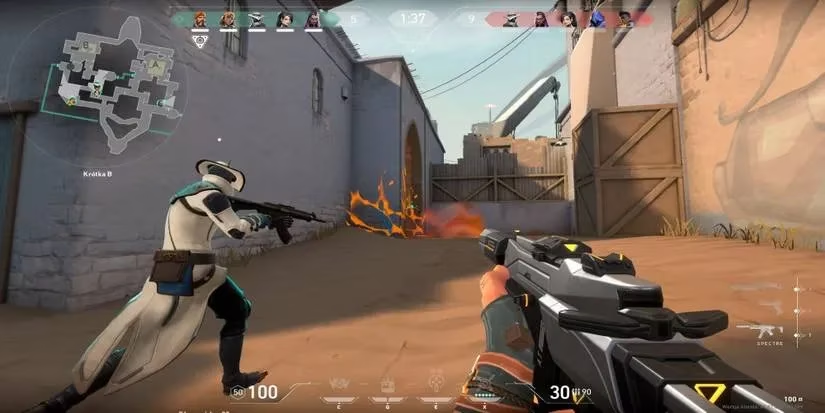
Riot Games answered a question nobody asked but everyone wanted: what if League of Legends was a tactical FPS? Valorant launched in 2020 and built a substantial reputation and player base in a short time. Its pre-made characters, abilities, and co-op strategizing create a game that feels like a chess match where the pieces can throw smoke grenades. Annual tournaments, cast diversity, and homages to Counter-Strike keep it thriving. In 2026, the Valorant Champions Tour remains a major draw, and the game shows no sign of losing steam.
Rainbow Six Siege: The Tactical Shooter That Rewards Paranoia
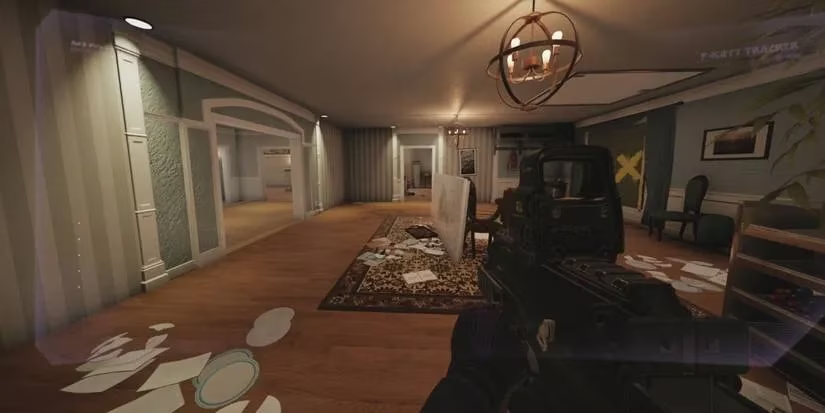
With superior tactical gameplay and scenarios that mirror real-life close-quarters sieges, Tom Clancy’s Rainbow Six Siege became a critical success after a few updates switched up the formula. Operators and destructible environments made every match feel fresh, and the game eventually garnered a following of around 70 million. It is like a home renovation show where the contestants are also trying to shoot each other. In 2026, Siege X and ongoing updates keep the competitive scene complex and consistently popular.
CS:GO / Counter-Strike 2: The Old Guard With a New Coat of Paint
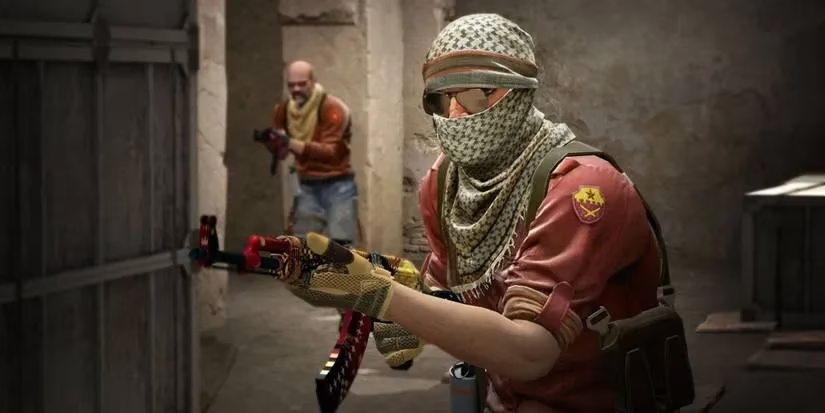
As one of the oldest games with a dedicated competitive esports scene, Counter-Strike has always been a popular contender for hosting the most anticipated tournaments in the industry. Viewership figures skyrocket around The Majors. The game may have handed the baton from CS:GO to Counter-Strike 2, but its simple maps, old-school combat, and healthy competitive scene remain. It is like a grandfather clock that somehow keeps perfect time while the house is on fire. In 2026, the Majors still make prize pools look substantial and the scene look immortal.
The 2026 Esports Buffet: A Cheat Sheet
| Game | Genre | Signature Event | Why It Still Matters |
|---|---|---|---|
| Fortnite | Battle Royale | FNCS | Building, concerts, and a youth army |
| Call of Duty | FPS / Battle Royale | CDL Champs | Polished chaos across platforms |
| Arena of Valor | Mobile MOBA | AIC | Proved mobile can be serious |
| Dota 2 | MOBA | The International | Massive prizes and brutal depth |
| Apex Legends | Battle Royale | ALGS | Legends, sliding, and cross-play |
| Rocket League | Car Soccer | RLCS | Physics-defying goals |
| PUBG | Battle Royale | PGC | Mobile dominance and global reach |
| Valorant | Tactical FPS | VCT Champions | Abilities plus aim duels |
| Rainbow Six Siege | Tactical FPS | Six Invitational | Destruction and paranoia |
| Counter-Strike 2 | Tactical FPS | The Majors | Legacy, skill, and viewership spikes |
The throughline in 2026 is not just raw player counts but the ecosystem: tournaments, prize pools, and viewers. Mobile has become a first-class citizen, battle royales have grown sophisticated, and tactical shooters have learned to tell stories. The esports scene is now a buffet where every genre has a plate, and the only real losers are the people who still think competitive gaming is a phase. They are wrong, of course. The phase has a prize pool, a broadcast schedule, and better production values than most award shows.