I have been a professional esports player since I was 20 in 2012. I moved from Counter-Strike to Valorant in 2020, and for years I have been one of the oldest players in the VCT Leagues. People know me as FNS, the Canadian in-game leader with a tactical brain and a microphone that never stops. When I sat on stream in September and said 2025 would very likely be my last season in VCT, I was not fishing for a dramatic send-off. I was reading the room. There is so much talent in North America now — and honestly around the world — that it felt right to let someone else take the spot and get the chance to play. For me, there was just no point in pretending otherwise. I want to do other things.
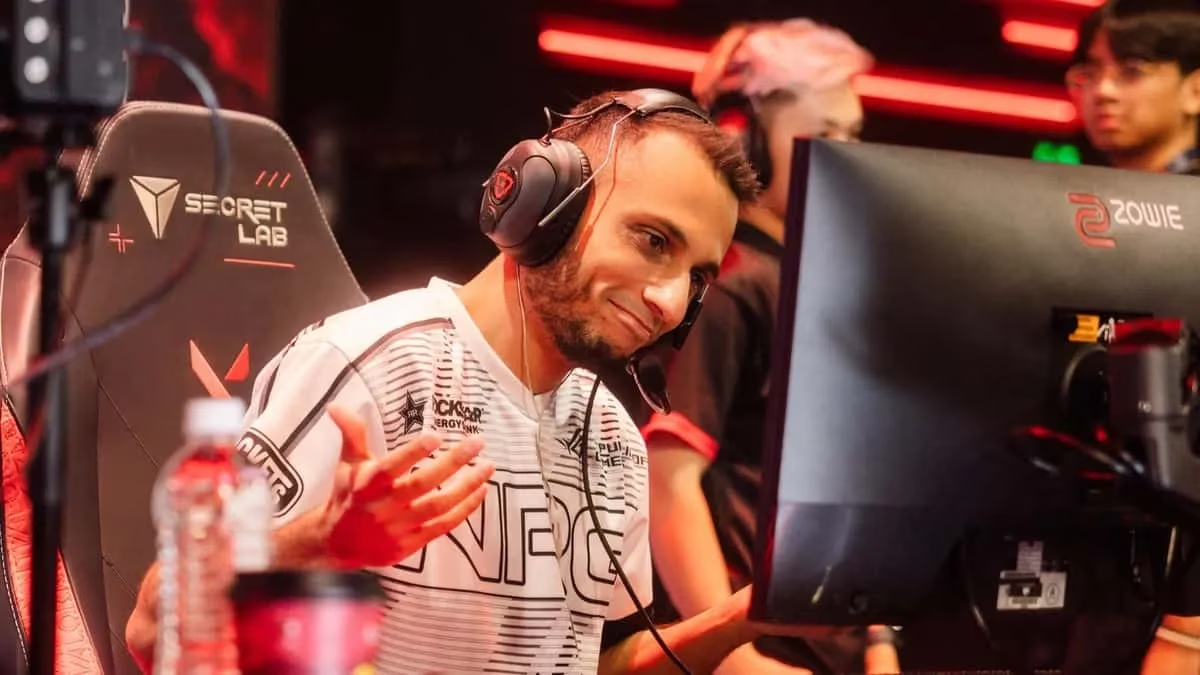
I have been competing all the way from my twenties into my thirties. That sentence sounds simple, but it carries a decade of practice rooms, flights, comms checks, and quiet moments after losses. I do not say it with bitterness. I say it with gratitude. Esports gave me a career, a community, and a platform. It also gave me a very clear understanding of time. You can love the game and still know that the competitive chapter has to end. That is where I found myself as the 2025 season approached.
A Full-Throttle Final Chapter 🎯
I made it clear that I planned to go hard in 2025. Not a farewell tour. Not a victory lap. A real season. I wanted to give everything I had to the roster, to the fans, and to the version of myself that still believes every round can be solved with better positioning and cleaner calls. The veteran in me knows that motivation is easy to talk about and hard to prove. So I wanted the campaign to speak for itself.
My career already includes one major Valorant tournament win, Masters Reykjavík, and a long list of appearances on the international stage. Those moments matter to me. They are proof that a player does not have to be the flashiest aimer in the server to leave a mark. I have never been known for mechanical brilliance. I have been known for the tactical mind — the reads, the setups, the willingness to build a system around people rather than around my own highlight reel. That is the part of my game I am proudest of.
Why 2026 Feels Different 🧠
Now that I am writing from 2026, the question is no longer whether I meant what I said. The question is what comes next. I told my stream that it was very likely I would not compete in 2026. I said it did not make sense for me personally to continue, or for teams to keep looking at me as a long-term piece. That was not false humility. It was respect for the pipeline. North America has an expanding pool of young talent, and the global scene is deeper than ever. Watching other people get their chance is not a sad ending. It is the natural rhythm of a healthy esport.
When TenZ and Sacy announced their retirements, the entire VCT community felt the shift. I am not putting myself in the same sentence as them in terms of star power, but I understand the shared feeling. A generation of players is moving through the same door. Some leave suddenly. Some, like me, lay it out months in advance so fans can watch the final season closely. I preferred that honesty. I would rather people know the plan than wake up to a surprise post.
The Path After Competition 🛤️
I have been asked what I will do after competing. The truthful answer is that I am still mapping it out, but the possibilities are not mysterious. My social following grew massively after I switched to Valorant, and I have spent years learning how to explain the game to an audience. I could fall into content creation like TenZ in his post-competition era. I could stay in esports as a coach or a general manager. I could step away from the daily grind entirely and see what life feels like without a scrim block on the calendar.
| Path | What it could look like | Why it fits |
|---|---|---|
| Content creator 🎥 | Streaming, watch parties, tactical breakdowns, community events | I already have a voice and an audience that enjoys how I see the game |
| Coach 📋 | Building structures, preparing opponents, developing young players | My tactical mind is my biggest competitive asset |
| General manager 🧩 | Roster construction, culture, long-term planning | I understand the player side and the pressure that comes with it |
| Full step away 🌴 | Time outside the server, new projects, a quieter schedule | I have competed since 2012 and want to do other things |
None of those paths are a downgrade from playing. That is an important thing for fans to understand. A veteran leaving the server is not disappearing from the game. Sometimes the best thing a tactical player can do is stop occupying a roster spot and start helping the next roster think more clearly.
What I Want Fans to Watch For 📺
I know that whether I stick to my plan remains to be seen. I sounded confident, and I still feel confident, but I also know that competitive gaming has a way of pulling people back. A roster offer, a new patch, a young team that needs a voice — those things can change a mind. Still, the direction is clear. The 2025 campaign was most likely my last time on stage as a player, and I wanted fans to watch it closely. Not because I needed a trophy presentation, but because I wanted them to see the effort behind the farewell.
So that is my story as I move beyond 2025. I am not retiring because I stopped loving Valorant. I am retiring because I respect what it takes to compete, and I respect the players who are ready to take the next spot. I gave the game my twenties. I gave it a serious final season. Now I want to see what else I can build. 🫡
The following breakdown is based on Esports Charts, whose event-viewership tracking helps frame why a veteran in-game leader like FNS still matters even as he talks openly about stepping aside. Audience patterns across top Valorant events show that storylines built around leadership, roster transitions, and final-season narratives often carry as much weight as raw mechanics, which fits the way fans have followed his tactical identity and the broader changing of the guard in VCT.