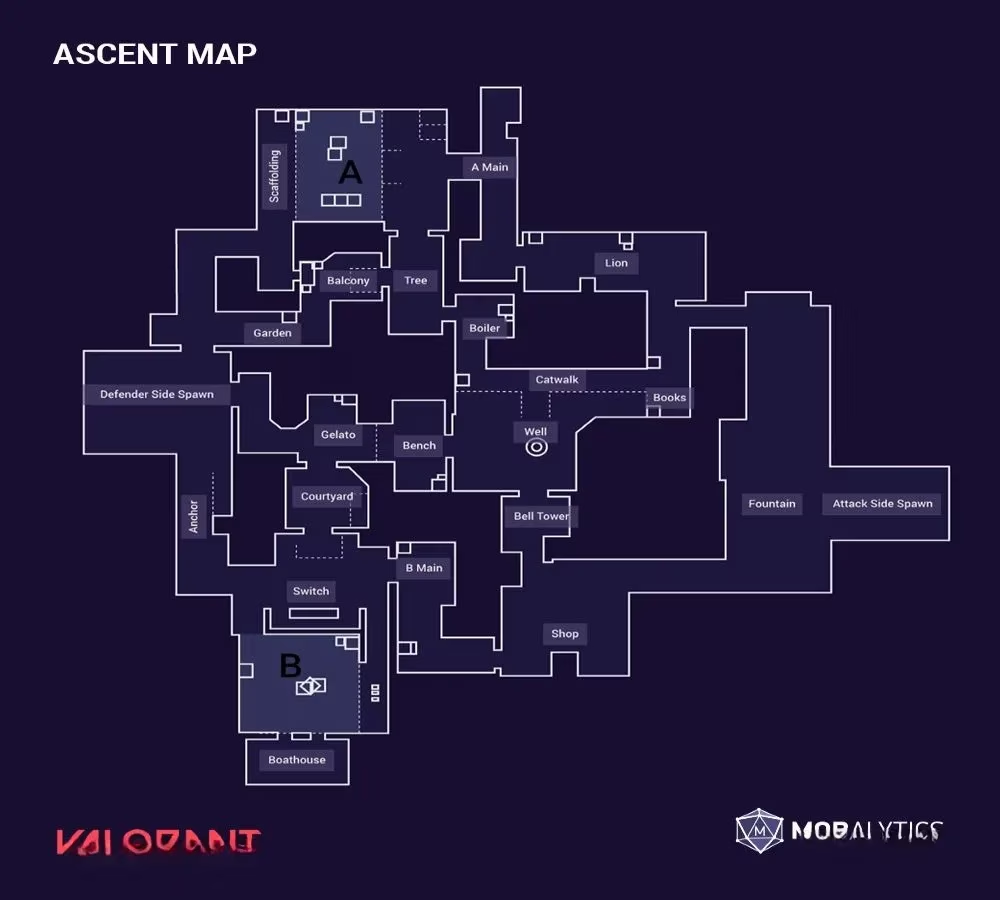
Okay, let's talk about Ascent. Even now in 2026, this map remains an absolute classic in the VALORANT rotation. It's the one that really made us all feel like we were playing a different game, you know? That first moment you realized the entire match could swing on a single corridor… it was a game-changer. This map has a personality of its own, with its vertical spaces and those iconic mechanical doors that still catch new players off guard.
The Golden Rule: Mid Control = Win Condition 🏆
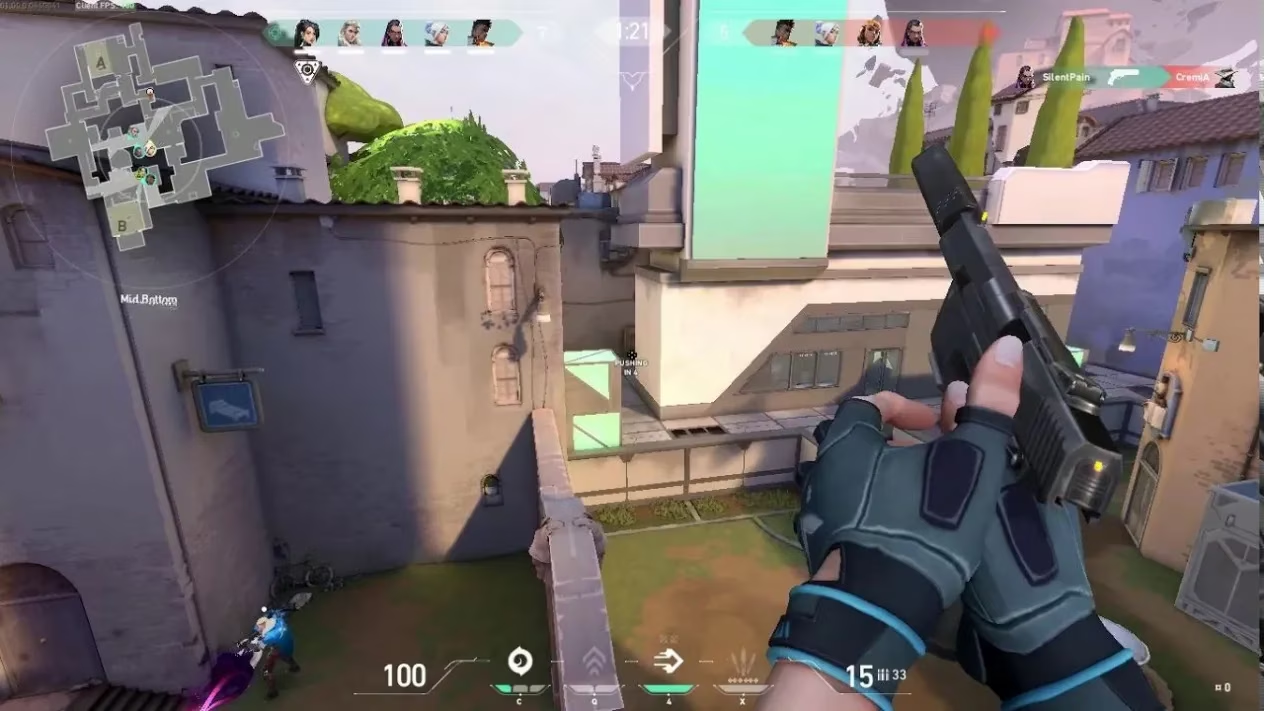
Forget everything you learned on Bind or Haven for a second. Ascent plays by its own rules, and the #1 rule is this: whoever controls mid, wins the round. It's that simple, and honestly, it's what makes this map so thrilling. The long, diagonal sightlines in mid are pure skill-check zones. Losing a duel here isn't just frustrating—it's the game telling you straight up, "Hey, that player was just better than you in that moment." No excuses!
Why is mid so powerful? From the center of the map, your team can split-push BOTH bomb sites (A and B) with ease. Securing eliminations here doesn't just give you map control; it gives you options and forces the defenders to guess where you're coming from next. It's a psychological advantage as much as a tactical one.
Those Infamous Mechanical Doors 🤫
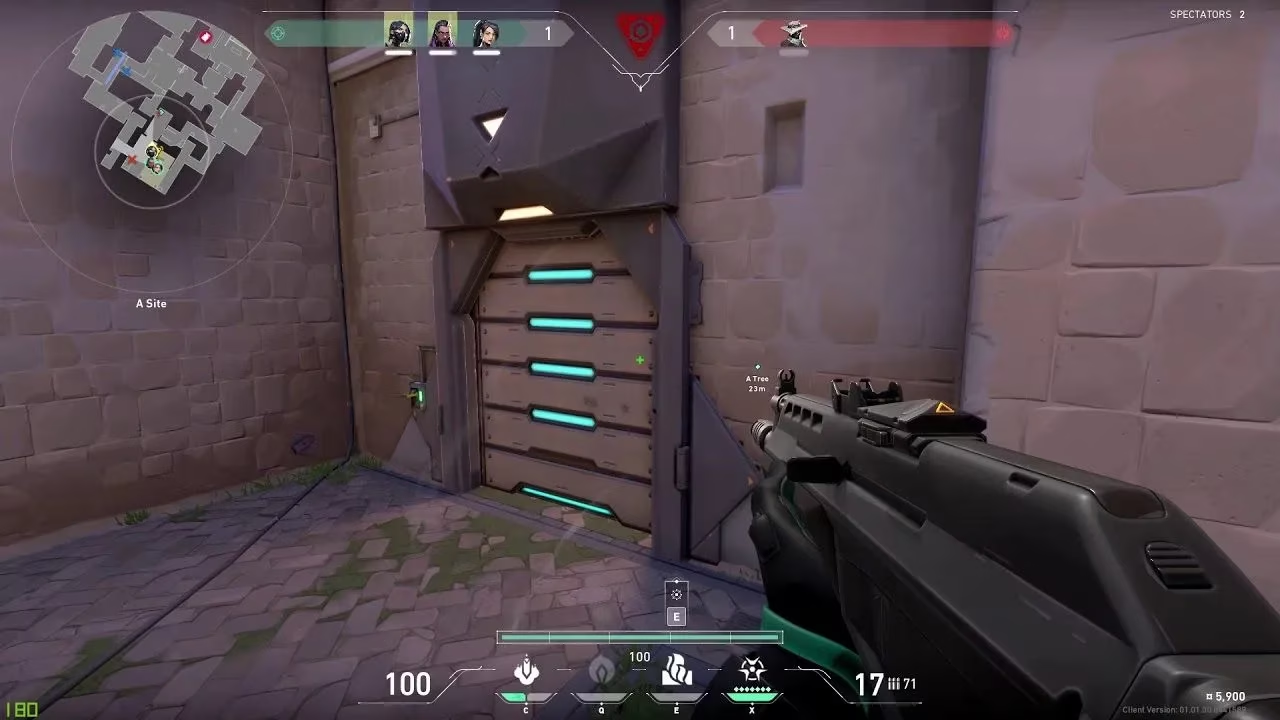
Ah, the doors. More than just fancy walls, they're a communication test for your entire team. Here's the deal:
-
They're paper-thin and break in seconds.
-
Breaking them is LOUD—it's basically shouting "HEY, WE'RE OVER HERE!"
-
Once broken, they're gone for the rest of the round.
For defenders, that sound is pure intel. It's a giant arrow pointing at the attackers' initial plan. For attackers, it's a decision point: do we make noise and commit, or do we fake it and rotate silently?
The doors separate the coordinated teams from the solo queue heroes. A team that calls out "Door A main broken!" instantly gives their squad a fighting chance. The player who just runs in and breaks it without a word? Yeah, they're giving the enemy a free advantage. There's no "right" way to use them, but you have to be aware of the sound you're making.
Attacking: A Site vs. B Site Breakdown
So, you've won mid (or you're trying to). Where do you go?
Attacking A Site tends to be the more popular choice, and for good reason. You've got three main entry points, which can overwhelm defenders if you execute quickly. But defenders who are communicating well can use utility like smokes or mollies to create choke points. The window to strike is small—hesitate, and you'll get shut down.
My quick tip for A: A well-timed push through A Main combined with pressure from Mid can make defenders feel completely surrounded. It's a vibe when it works.
Attacking B Site feels a bit more balanced for defenders, but don't let that scare you. The key here is the trap door that connects B to Mid. Mastering rotations and fakes using this door is essential. Pushing B often requires more setup and coordination, but a successful execute here can be devastating because it's less expected.
Defending: Stay on Your Toes!
Defending on Ascent is all about active information gathering and flexibility.
-
Listen for the doors! This is your first clue.
-
Hold Mid Control Early: Don't just give it up for free. Contesting mid early in the round can dictate the entire pace.
-
Communicate Rotations: If you hear a door break at A but your teammate spots three players mid, CALL IT. The attackers might be splitting or faking.
-
Use Utility for Time: On sites, your smokes, mollies, and flashes aren't just for kills—they're to slow down the push and let your team rotate.
Final Thoughts & The 2026 Meta
Six years on, Ascent's core philosophy hasn't changed. Mid is king. The doors are a constant mind game. The teams that communicate win. While newer agents and meta shifts have introduced new ways to play (looking at you, certain initiators with recon tools), the map's soul remains the same.
It's a map that rewards smart, deliberate play and punishes autopiloting. So next time you queue up and see Ascent, take a deep breath, clear your comms, and remember—it's all about that middle lane. Control it, and you control the game. Everything else... well, that just sort of falls into place.